The Great KitKat Heist: How a Stolen Shipment Sparked a Viral Marketing Sensation and Revolutionized Nestlé’s Agility

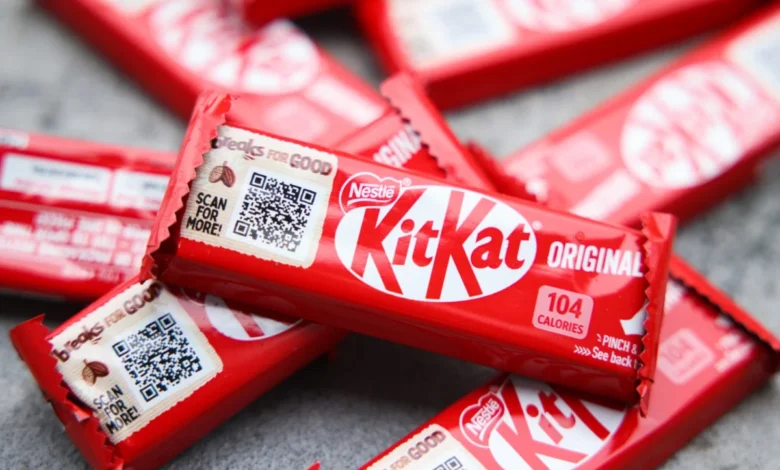
In the quiet pre-dawn hours of a late March Monday, an ordinary day at Nestlé’s European headquarters in Vevey, Switzerland, was shattered by extraordinary news. A member of the company’s marketing team arrived with a report that was as bewildering as it was costly: over 400,000 KitKat bars, a staggering 12 tons of chocolate, had vanished into thin air during transit. The valuable cargo, en route from a Nestlé factory in central Italy to its final destination in Poland, had been the subject of a daring theft, with the entire truck reportedly disappearing. The timing was particularly sensitive, occurring just days before Easter, a peak period for confectionery sales and a crucial window for the iconic chocolate brand.
Initially, the sheer absurdity of the situation provided a brief respite for dark humor within the office. Mélanie Brinbaum, Nestlé’s European Head of Marketing and Consumer Communications, recounted to Fortune that the disappearance was a source of office banter for a few hours. However, as the day progressed, a more audacious idea began to take root. Instead of opting for silence or a standard, defensive corporate statement, the Nestlé team considered embracing the bizarre nature of the event. "A colleague on my team, half in jest, wondered aloud whether the story should be made public," Brinbaum shared. This seemingly flippant suggestion evolved into a strategic pivot, transforming a logistical nightmare into a potential marketing triumph.
The concept was rapidly floated to Nestlé’s global KitKat brand group. Recognizing the urgency, given the story’s nascent spread across online platforms, the brand group tasked their agency partner, VML, with developing a campaign concept within an aggressive 24-hour timeframe. "We needed to be super reactive, otherwise we’d miss the moment," Brinbaum emphasized, highlighting the critical need for swift action in the digital age.
From Internal Joke to Global Conversation: The Power of a Playful Response
Nestlé’s decision to publicly acknowledge the vanished shipment marked a departure from typical corporate crisis management. The company’s official statement, released on X (formerly Twitter), masterfully blended factual reporting with a signature dose of KitKat’s playful brand personality. "We’ve always encouraged people to have a break with KitKat," the statement read, "But it seems thieves have taken the message too literally and made a break with more than 12 tons of our chocolate." This witty and self-aware response resonated immediately with the public. Within 24 hours, the post garnered an astonishing 393,000 likes, setting a new record for the account’s engagement and demonstrating the power of authentic, relatable communication.
Fortunately, the audacious heist did not result in any injuries. However, the incident serves as a stark reminder of the escalating threat of cargo hijackings, a growing concern for global businesses and their intricate supply chain networks. Recent analysis from the Transported Asset Protection Association (TAPA) reveals a disturbing trend: between 2024 and 2025, Europe recorded a staggering 30,543 cargo crime incidents, leading to documented losses exceeding €860.5 million (approximately $991.5 million USD). Brinbaum candidly revealed that drawing attention to this escalating issue was a significant motivator for Nestlé’s decision to go public. "This is not the first time Nestlé has faced an incident like this," she stated, underscoring the systemic nature of the problem.
The creative genius of Nestlé and VML didn’t stop with a clever tweet. They swiftly developed an interactive "stolen KitKat tracker." This innovative digital tool allowed consumers to enter the eight-digit batch code from their KitKat wrappers to determine if their particular bar was part of the missing shipment. The campaign’s reach was monumental; over 2.2 million people interacted with the tracker, and KitKat’s daily social video views skyrocketed from an average of 1 million to an impressive 29 million. The tracker proved not only to be an engaging consumer tool but also a functional one, flagging three suspicious batch codes and contributing a lead that VML confirmed became part of an active police investigation.
Further amplifying the campaign’s momentum, a follow-up stunt depicted a KitKat-branded truck being escorted through Toronto by individuals styled as secret service agents, adding another layer of humorous gravitas. The joke quickly went viral, with other major brands, including Domino’s, KFC, and even the airline Ryanair, joining in the playful discourse. Within a mere 10 days, this multifaceted campaign generated an estimated $224 million in earned media value, a figure Nestlé analysts calculated would have been the cost of equivalent paid advertising.
Building a Fast-Moving Marketing Function: Agility as a Competitive Advantage
Mélanie Brinbaum, who spearheaded this remarkable campaign, is pragmatic about the rarity of such unconventional ideas translating into global successes. "Most don’t," she admitted, further cautioning that "trying to force virality tends to backfire." The true art, in her view, lies in cultivating a marketing team that possesses the speed and confidence to seize serendipitous moments.
"The KitKat campaign only worked because marketing had the standing to make a fast, unconventional call without waiting for a brief to move through layers of sign-off," she explained. This emphasis on empowerment and streamlined decision-making is a cornerstone of Brinbaum’s leadership philosophy. Her own experiences as a junior marketer, where her ideas were not always valued, have fueled her determination to foster a more supportive and dynamic environment within her team. "I left an earlier role because my ideas weren’t valued and I’m determined not to recreate that frustration for my own team," she stated.
Consequently, Brinbaum champions a culture that prioritizes speed over rigid process. The traditional, time-consuming creative brief has been replaced by a more agile "quick pitch" model. This method tests enthusiasm from both sides before ideas can become overly engineered or bogged down by internal deliberation. A crucial element of this approach is Brinbaum’s implementation of a "go or no-go" filter. Before any significant time or budget is allocated to an idea, the team rigorously assesses its genuine potential for broad impact. If the potential is deemed insufficient, the idea is promptly shelved, preventing the squandering of valuable resources.
Ideas that successfully navigate the "go" bar are then handed over to "commando teams." These are small, cross-functional groups assembled outside Nestlé’s standard organizational hierarchy. Crucially, these teams are empowered with the authority to rapidly advance concepts from initial ideation to full execution within days, rather than the months it might typically take. This model proved instrumental in the swift and effective execution of the KitKat campaign following the robbery.
Escaping the ‘Sleeping Beauty’ Trap: Revitalizing Legacy Brands
For Brinbaum, the resounding success of the KitKat marketing campaign serves as tangible proof of a broader cultural shift she is actively promoting within Nestlé’s marketing operations: the imperative to "kill mediocrity." This philosophy actively combats the tendency for established, large brands to play it safe, a temptation that can lead to stagnant innovation.
"When you’re a big brand with a long history, it’s easy to come up with mediocre innovations, but consumer expectations are higher than ever," Brinbaum observed. She attributes this heightened consumer bar to the agility and innovative spirit of challenger retail brands. Nestlé, with its rich 150-year history and portfolio of over 2,000 brands spanning 186 countries, faces a unique challenge. The sheer scale of its operations carries the inherent risk of some brands becoming "sleeping beauties" – profitable and well-known, yet increasingly disconnected from the contemporary cultural conversation.
This risk of disconnection may be intensifying. According to Nestlé’s latest investor report, the company has significantly reduced the number of brands receiving dedicated media support, from over 400 in early 2024 to a projected 150 by 2026. This strategic consolidation means that a vast majority of Nestlé’s extensive brand portfolio will now be vying for cultural relevance with minimal or no dedicated media budgets.
The KitKat heist, however, offers a compelling counter-narrative. It demonstrates that even a 90-year-old brand, nestled within one of the world’s largest food conglomerates, can exhibit remarkable agility and responsiveness to unforeseen events. This incident serves as a potent signal for how legacy consumer brands may need to operate in the future: with speed, self-awareness, and a willingness to embrace the unexpected, even if it involves a good dose of humor and a dash of daring. The successful transformation of a costly theft into a global marketing phenomenon underscores Nestlé’s evolving approach to brand engagement and its commitment to fostering a dynamic, responsive marketing culture.